Which flowers for Mother’s Day last the longest in a vase?
Chrysanthemums usually last the longest, often staying fresh for 14–21 days. They hold their shape well, cope with warmer rooms, and keep looking “full” even as a few petals age.
For flowers for Mother’s Day that don’t wilt quickly, they’re hard to beat. They also suit mixed bouquets because they don’t drop petals everywhere.
Which flowers for Mother’s Day come next after chrysanthemums?
Carnations are close behind, commonly lasting 10–21 days. Their ruffled petals are surprisingly tough, and they handle a wide range of temperatures.
As flowers for Mother’s Day, they’re a practical option for anyone who prefers blooms that still look presentable after a week on the table.
Which flowers for Mother’s Day offer a premium look with strong vase life?
Orchids (especially cymbidium stems) can last 10–14 days, sometimes longer. They look elegant for the entire duration rather than peaking early and fading fast.
For flowers for Mother’s Day with a “special occasion” feel, orchids give a long-lasting display without needing a huge bunch.
Which flowers for Mother’s Day stay bright and structured for days?
Alstroemeria (Peruvian lily) often lasts 10–14 days. Buds open gradually, so the bouquet improves over time instead of declining straight away.
As flowers for Mother’s Day, they’re ideal when someone enjoys watching blooms open day by day, with minimal petal drop.
Which flowers for Mother’s Day are reliable in mixed bouquets?
Lilies commonly last 7–14 days, depending on how open they are when arranged. Buying them with closed buds helps extend vase life.
For flowers for Mother’s Day, lilies can be excellent value because a single stem can carry multiple blooms. Removing pollen stamens also helps keep them looking clean.
Other Resources : Flower Delivery Sydney: How to Choose the Right Florist for Every Occasion
Which flowers for Mother’s Day are best for big impact but moderate longevity?
Hydrangeas usually last 5–10 days, but they can surprise people with longer life if they’re well hydrated. They drink heavily and wilt quickly if neglected.
As flowers for Mother’s Day, they work best for someone who will top up water daily. They create instant “wow” with just a few heads.
Which flowers for Mother’s Day last about a week with basic care?
Gerberas typically last 5–10 days. Their stems can weaken in deeper water, so they often do better with a shallow fill and a clean vase.
For flowers for Mother’s Day, gerberas suit bright, cheerful arrangements, but they need a little attention to stay upright.
Which flowers for Mother’s Day are classic but don’t last as long?
Tulips usually last 5–7 days. They keep growing in the vase and lean toward light, which is charming but can look messy if crowded.
As flowers for Mother’s Day, tulips are best when given space and cool conditions. They’re more “spring moment” than long-haul bouquet.
Which flowers for Mother’s Day are loved most but fade fastest?
Roses often last 5–7 days, sometimes up to 10 if very fresh and kept cool. They can be sensitive to bacteria and fluctuating temperatures.
Even so, roses remain a top choice for flowers for Mother’s Day because they feel traditional and meaningful. They just reward careful preparation.
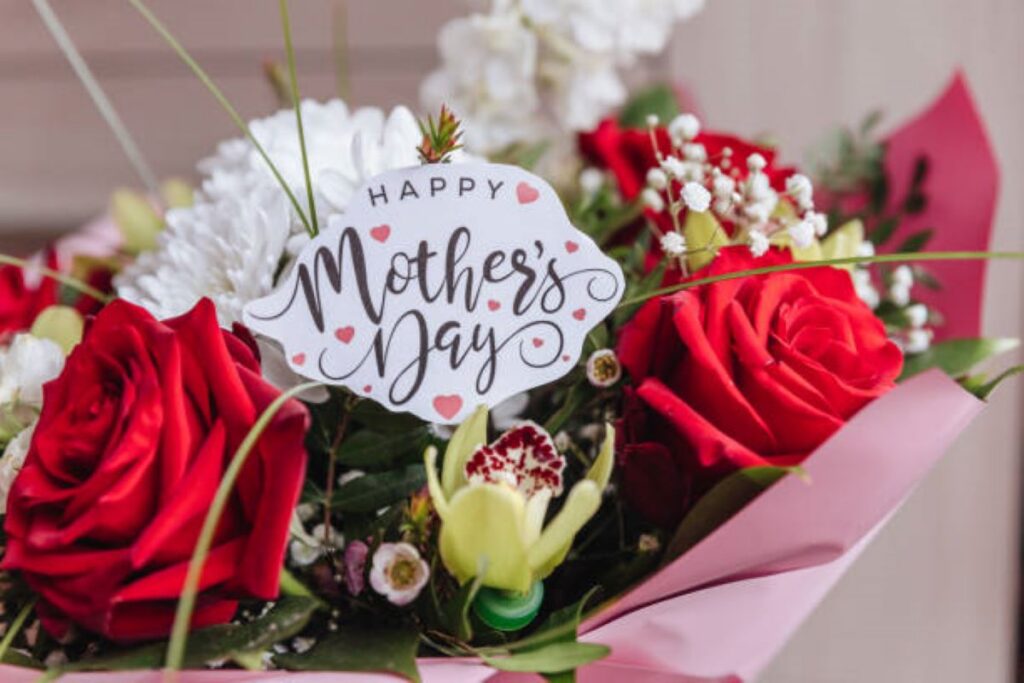
How can they make flowers for Mother’s Day last longer in a vase?
A few small habits make a big difference. Trim stems on an angle, remove any leaves below the waterline, and change the water every two days.
Keeping flowers for Mother’s Day away from radiators, direct sunlight, and fruit bowls also helps. A clean vase matters more than most people think, because bacteria shortens vase life quickly.
Which flowers for Mother’s Day should they choose if they want the longest-lasting gift?
If longevity is the priority, chrysanthemums and carnations are the safest bets, followed by orchids and alstroemeria. Those options tend to look good for longer with less fuss. Check out more about Virus diseases of chrysanthemums.
For flowers for Mother’s Day that still feel special after a week, choosing tighter buds and following basic vase care is the simplest “upgrade” they can make.